Summary:
Most car maintenance checklists are written for people in Ohio or Oregon — places where “back to school” means September and the weather is starting to cool down. In Maricopa County, school starts in late July or early August, and the temperature is still pushing past 105°F. That changes everything.
If you’ve been meaning to get your car checked out before the school-year routine kicks back in, this is the push you needed. We’ll walk through the things that actually matter for Arizona drivers — starting with the one that causes the most breakdowns this time of year.
Car Battery Check: Why Heat Damage Peaks in August
Here’s something most people don’t know: heat — not cold — is the number one cause of car battery failure. AAA has confirmed it, and anyone who’s spent a summer in the Phoenix Valley has probably lived it. The problem is that the damage builds slowly over June and July, and by August, a battery that seemed fine a few weeks ago suddenly won’t start your car at 7 AM.
In Arizona, car batteries typically last two to three years — not the four to five years you’d expect in a milder climate. If yours is approaching that range, it’s worth taking seriously before the school-year schedule puts more daily demand on your vehicle.
How to Test Your Car Battery at Home With a Multimeter
You don’t need to be a mechanic to get a basic read on your battery’s health. A simple multimeter — available at any hardware store for around $20 — can tell you a lot. Set it to DC voltage, connect the red lead to the positive terminal and the black to the negative, and take a reading with the engine off.
A healthy battery will read 12.6 volts or higher. Somewhere between 12.2 and 12.5 volts means the battery is partially discharged and may need attention. Anything below 12.0 volts is a failing battery, and you should treat it as a warning, not a “wait and see.”
That said, a voltage reading alone isn’t the full picture. A battery can show decent voltage at rest and still fail under the load of actually starting your engine. That’s why the industry standard for a real battery diagnosis is a load test — which simulates the demand of engine startup and reveals whether the battery can actually deliver when it counts. A multimeter is a useful first step, but it’s not a substitute for a proper load test.
One more thing worth knowing: in Arizona’s heat, terminal corrosion builds up faster than it does in cooler climates. Corrosion on the battery terminals — that white or bluish crusty buildup — weakens the connection between the battery and the vehicle. It can cause slow starts and flickering lights even when the battery itself still has charge. A visual inspection of the terminals is part of any honest battery check.
If your battery is two years old or more and hasn’t been tested this summer, now is the right time. The back-to-school rush is not the moment to find out it’s on its last legs.
What Is Battery Registration and Why Does It Matter in Arizona?
This is something most drivers have never heard of, and most roadside services never mention — but it matters more than people realize.
Modern vehicles, especially BMWs, Audis, Volkswagens, and Hondas, have a Battery Management System — essentially a computer that monitors and manages how the battery charges and discharges. When you replace the battery, that system still thinks it’s working with the old battery. If it isn’t updated to recognize the new one, the alternator can overcharge the new battery, shorten its lifespan, and create all kinds of electrical issues down the road.
Battery registration is the process of telling the vehicle’s computer that a new battery has been installed — so the system recalibrates to the correct specs. It’s a step that many shops and roadside services skip, either because they don’t know it’s necessary or because they don’t have the equipment to do it.
We include free battery registration with every battery we install. For drivers across Maricopa County with European or Japanese vehicles, that’s not a small thing. It’s the difference between a battery that lasts another three years and one that starts failing in eighteen months because the system was never told it was there.
If you’ve had a battery replaced in the last year or two and your car has been behaving oddly — slow starts, warning lights, electrical gremlins — it’s worth asking whether registration was completed. Often, it wasn’t.
Complete Back-to-School Car Maintenance Checklist for Arizona
The battery is the biggest risk this time of year, but it’s not the only thing worth checking before school starts. Arizona’s heat does a number on tires, wiper blades, coolant, and air filters in ways that most national car care guides don’t account for. A few minutes now can prevent a much longer and more frustrating delay later.
Think of this less as a formal inspection and more as a quick walk-around before the schedule gets busy. Most of these checks take under ten minutes and don’t require any tools.
Tire Pressure Check: Why Arizona Mornings Are the Best Time to Do It
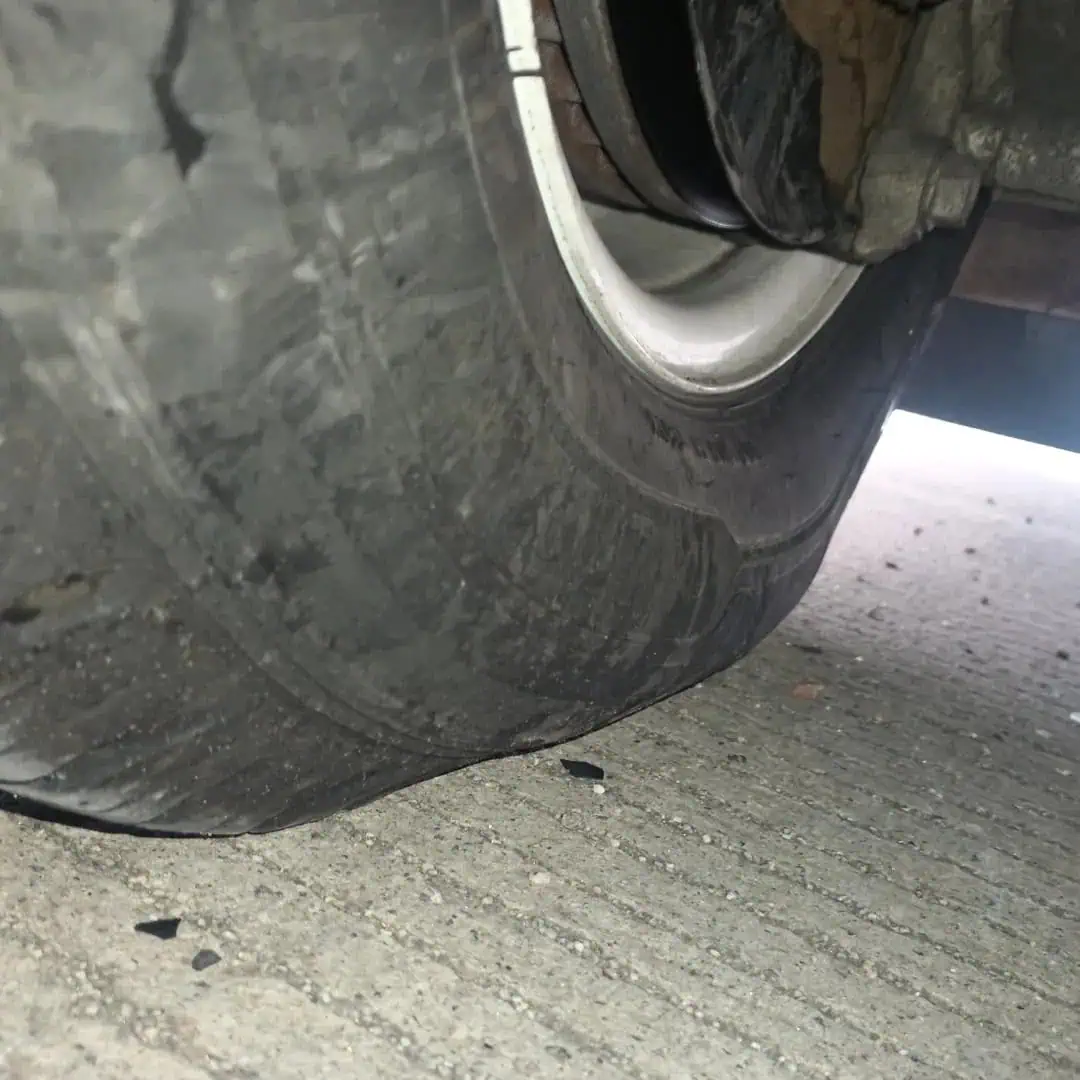
Tire pressure is one of those things people check when the dashboard light comes on — but by then, the tire is already significantly underinflated. The TPMS warning light typically doesn’t trigger until pressure has dropped about 25% below the recommended level. That’s too late, especially on Phoenix-area roads in summer where asphalt surface temperatures can exceed 150°F.
The rule of thumb is that tire pressure changes by roughly one PSI for every 10°F shift in ambient temperature. In the Phoenix Valley, where temperatures can swing 30 to 40 degrees between early morning and afternoon, that adds up fast. Tires that read fine at noon may be noticeably low the next morning — and vice versa.
The most accurate time to do a tire pressure check is in the morning, before you’ve driven anywhere and before the asphalt heats up. Use a proper gauge rather than relying on visual inspection — you can’t reliably eyeball an underinflated tire until it’s dangerously low. And check the recommended pressure on the sticker inside your driver’s door jamb, not the number printed on the tire sidewall. The sidewall number is the maximum pressure the tire can hold, not the pressure your vehicle is designed to run on.
While you’re at it, take a look at the tread. Arizona’s roads are rough on tires, and worn tread combined with summer heat is a blowout waiting to happen — particularly at freeway speeds on the Loop 101 or I-10 during the morning commute. If the tread looks low or uneven, that’s worth getting looked at before school pickup and drop-off become part of the daily routine again.
Wiper Blades, Coolant, Filters, and Lights
Beyond the battery and tires, a few other things tend to get overlooked in Arizona specifically — and they’re worth a quick look before August arrives.
Wiper blades are a good example. Because it doesn’t rain often in Maricopa County, most drivers don’t notice how degraded their wipers have become until the first monsoon hits. And when it rains here, it comes down hard and fast. UV exposure from months of desert sun breaks down the rubber well before the blades look visibly worn. If yours are streaking or skipping during a test wipe, replace them now — not during a haboob.
Coolant is another one. Your engine cooling system works harder in Arizona than almost anywhere else in the country, and low or degraded coolant is one of the most common causes of summer overheating. Check the coolant reservoir level and, if it’s been a few years, have the mixture tested. The standard is a 50/50 mix of coolant and water — in Arizona’s heat, getting that ratio right matters.
Air filters — both engine and cabin — tend to clog faster here because of dust, especially after monsoon storms kick up debris. A clogged engine air filter reduces fuel efficiency and performance. A dirty cabin filter means your AC is working harder to push air through, which puts more strain on a system that’s already running constantly from June through September. Most filters are rated for around 15,000 miles or 12 months, but Arizona conditions can shorten that.
Finally, check your lights. It’s a quick two-minute walk-around — headlights, taillights, brake lights, turn signals. With school zones, early morning drop-offs, and longer commutes returning to the schedule, visibility matters more than it did during the summer.
Ready for Back-to-School Season? Start With These Checks Now
Arizona’s back-to-school window is short and the timing is unforgiving. Late July and early August is when summer heat damage peaks, school schedules ramp back up, and the margin for a dead battery or a flat tire shrinks to zero. Running through this car maintenance checklist now — battery, tires, coolant, wipers, filters, lights — takes less than an hour and can prevent a genuinely terrible morning.
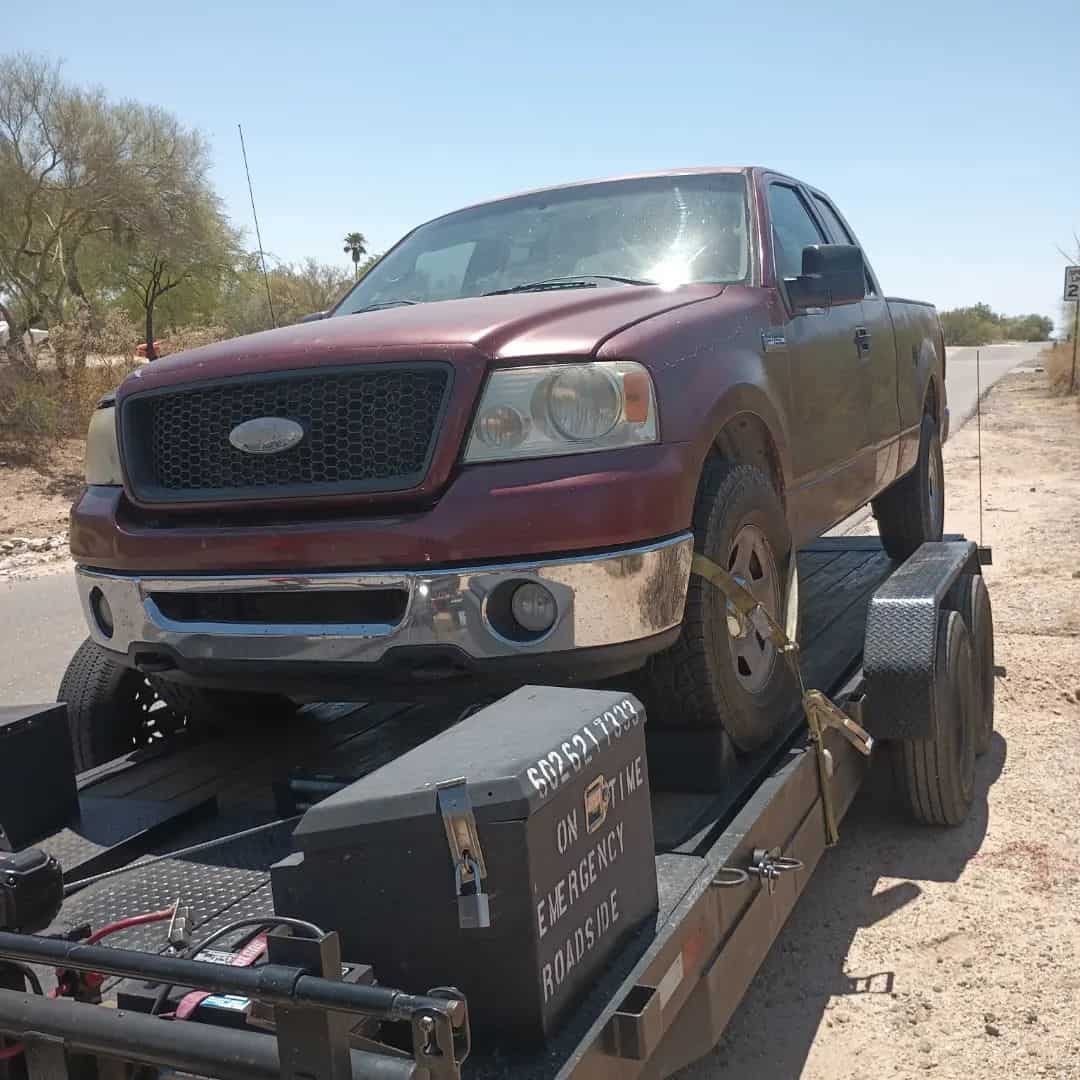
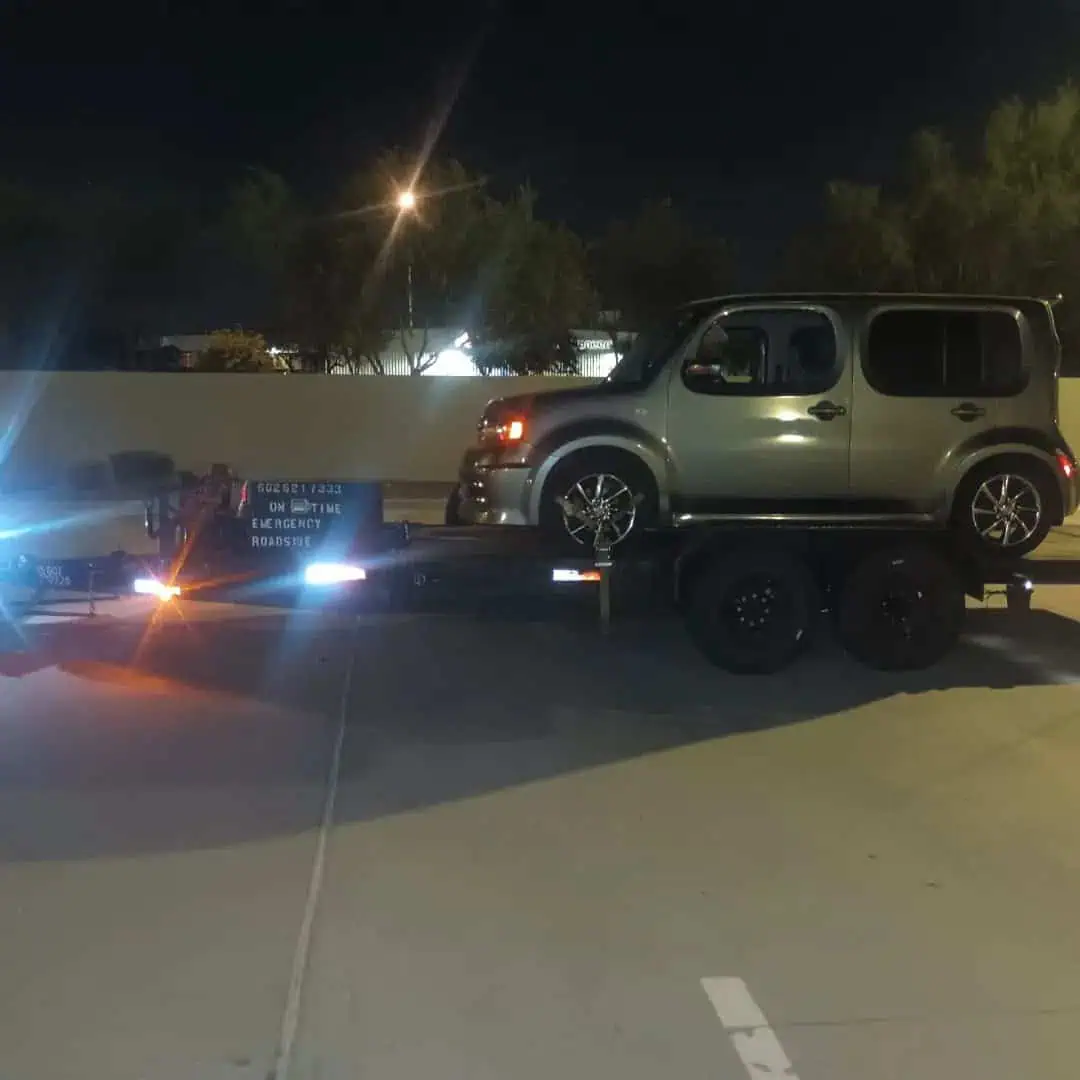
If you want a professional set of eyes on your battery before the school year starts, or if you’re already dealing with a slow start or a warning light you’ve been ignoring, we come to you. No shop wait, no tow, no lost half-day. We serve all of Maricopa County, and we’re available around the clock.
We’re ready when you are — and ideally, before you need us.