
Summary:
Here’s something most drivers in Maricopa County don’t realize: the most dangerous time for your car isn’t July. It’s October.
The heat does its damage quietly over the summer — draining battery capacity, baking rubber, clogging filters — and then fall is when it all shows up. One morning your car won’t start. Or your tire pressure light flicks on during your commute down the I-10. Or something just feels off.
The tips below are built specifically for Maricopa County drivers, where the climate does things to vehicles that no generic maintenance guide accounts for. We’ve seen the patterns firsthand, and we know what actually matters when you’re living and driving in the Phoenix area.
Car Battery Check After an Arizona Summer
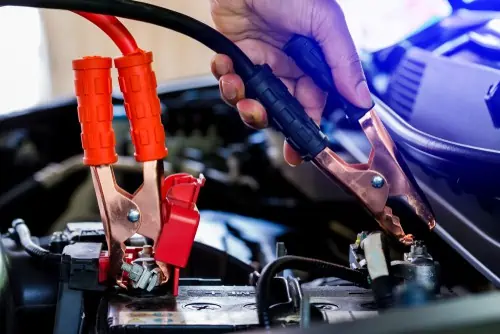
If there’s one thing to take seriously after a Phoenix summer, it’s your battery. Heat is the number one killer of car batteries — not cold, despite what most people assume. Cold weather exposes damage that heat already caused.
Here in Maricopa County, where temperatures regularly push past 110°F and under-hood temperatures in a parked car can reach 140 to 180°F, that damage happens fast and accumulates silently. The national average battery lifespan is three to five years. In Arizona, expect two to three — and that’s if you’re lucky.
The math isn’t complicated: for every 18°F above 77°F, a battery’s lifespan can theoretically be cut in half. Phoenix gives your battery that treatment for months on end, every single year.
Why Your Battery Can Seem Fine and Still Be Failing
This is the part that catches most Phoenix drivers off guard. Your car started every morning in June, July, August, and September without a single issue. So the battery must be fine, right? Not necessarily.
Heat damage is cumulative and invisible. A battery can lose 30 to 40 percent of its capacity while still cranking the engine normally — until one afternoon it just doesn’t. No warning. No slow start. Just a dead car in a parking lot.
AAA data backs this up: two-thirds of Americans have never had their battery tested before it failed to start. That number probably skews worse in hot-weather states like Arizona, where batteries wear down faster and the consequences of being stranded are more serious. Waiting beside a dead car in 110°F heat isn’t just frustrating — for older adults, kids, or anyone with a health condition, it’s genuinely dangerous.
The warning signs, when they do appear, are easy to miss: a slightly slower engine crank in the morning, headlights that seem dimmer than usual, or the battery light flickering briefly before disappearing. Most drivers chalk those up to nothing. By the time the symptom is obvious, the battery is already on its way out.
A battery load test is the only reliable way to know where you actually stand. It measures how much charge the battery can hold under real conditions — not just whether it has enough juice to start the car on a cool morning. If your battery is two years old or older and hasn’t been tested since last spring, fall is exactly the right time to get it checked.
One thing worth knowing if you drive a BMW, Audi, VW, or Honda: when a battery is replaced on these vehicles, the car’s computer needs to be informed — otherwise it will overcharge the new battery and shorten its life. We include free battery registration and system resets with every battery purchase, which is something most roadside providers don’t offer and dealerships typically charge extra for.
How to Spot a Battery That's Running Out of Time
The tricky thing about battery failure in Arizona is that it often happens suddenly, after what looks like a perfectly normal stretch of reliable starts. But if you know what to look for, there are usually a few quiet signals in the weeks before.
A slow or labored crank when you start the car — especially first thing in the morning before the engine has warmed up — is one of the earliest signs. Another is corrosion around the battery terminals: that white or bluish-gray buildup you might notice if you pop the hood. Heat accelerates terminal corrosion, and a corroded connection reduces the battery’s ability to deliver power efficiently, even if the battery itself still has capacity left.
If your car has an older battery and you’ve noticed the interior lights dim slightly when you start the engine, or the radio resets occasionally without explanation, those are worth paying attention to. None of these symptoms are definitive on their own, but together they paint a picture.
The smarter move is to get ahead of it before the symptoms stack up. A battery that’s two years old in Maricopa County has already been through at least two full Arizona summers. Depending on where you park — outside, without shade, which describes most of the Phoenix metro — it may have taken significantly more abuse than a battery in a climate-controlled garage.
Consumer Reports data shows that vehicle batteries in the southern United States last an average of 17 months less than in northern climates. That gap is real, and it’s worth factoring into your maintenance schedule rather than treating your battery like it’s on a national average timeline.
The bottom line: don’t wait for a no-start to confirm what the heat may have already decided. A quick test in the fall, while the weather is still manageable, is far less disruptive than a dead battery in a parking lot in November.
Tire Pressure Check for Phoenix's Fall Temperature Swings
Most people think of tire pressure as a winter concern — something you deal with when the temperature drops and the TPMS light comes on. In Maricopa County, the dynamic is different, and it catches a lot of drivers off guard.
Fall in the Phoenix area doesn’t ease in gradually. It swings. Afternoon highs can still hit 90 to 95°F in September and October, while overnight lows drop to 45 or 50°F. That’s a 40 to 50 degree swing in a single day, and tire pressure follows temperature directly — roughly 1 PSI for every 10-degree change.
That means your tires can lose 4 to 5 PSI overnight, every night, for weeks. By the time you notice, your tires may already be running significantly underinflated.
Why the TPMS Light Isn't Enough to Rely On
The tire pressure monitoring system in your car is a useful safety feature, but it has a significant blind spot that most drivers don’t know about. It doesn’t alert you until your tires are roughly 25 percent below the recommended pressure — which typically means they’re already 7 to 10 PSI underinflated.
By the time that light comes on, your tires have been running low for a while. During that window, a few things are happening that you can’t see or feel from the driver’s seat. Underinflated tires wear unevenly, which shortens their lifespan and reduces their grip on the road. Fuel economy drops. And the structural stress on the sidewall increases, raising the risk of a blowout — particularly on hot pavement, which Arizona still has plenty of in September and October.
The fix is simple: check your tire pressure manually, with a gauge, once a month. It takes about two minutes. The correct PSI for your tires is listed on the sticker inside your driver’s door jamb — not on the tire itself. If you haven’t checked since before summer, there’s a good chance your tires are running lower than you’d expect, even if the TPMS light hasn’t triggered.
While you’re at it, check your spare. AAA data shows that approximately 36 percent of 2015 model year vehicles were sold without a full-size spare, and many drivers who do have one haven’t checked its pressure in years. A flat spare is useless when you need it most, and discovering that on the side of the I-17 at night is a situation worth avoiding.
What Else to Cover in Your Fall Vehicle Inspection Checklist
Batteries and tires are the two most common reasons drivers in Maricopa County end up stranded — but they’re not the only things worth looking at before the holiday travel season kicks in. A quick fall vehicle inspection checklist covers a few other areas that take real abuse during an Arizona summer.
Wiper blades are easy to overlook, but Phoenix’s monsoon season runs from July through September and puts those blades through heavy use. By October, a lot of drivers are running on wiper blades that are cracked, streaking, or barely making contact. You may not notice until you’re driving through a sudden rain shower and realize you can’t see clearly. Replacing wiper blades is inexpensive and takes five minutes — it’s one of the better returns on a small investment in the whole maintenance category.
Engine and cabin air filters are another area where monsoon season and desert dust do real damage. Dust storms and heavy rain push debris into places it normally wouldn’t reach, and a clogged air filter reduces engine efficiency and can affect your air conditioning performance heading into the next summer. If you haven’t replaced either filter in the past year, fall is a reasonable time to check them.
Coolant, belts, and hoses all operate under maximum stress during an Arizona summer. Rubber hoses and belts dry out and crack faster in extreme heat, and coolant breaks down over time regardless of mileage. A visual check for cracks, brittleness, or swelling in hoses, and a look at the coolant reservoir level and color, takes just a few minutes. If the coolant looks rusty or brown instead of bright green or orange, it’s past time for a flush.
Finally, brakes. If you’ve noticed any squealing, grinding, or a slight pull to one side when you stop, don’t put that off. Brake pads don’t announce their condition on a schedule — they wear at different rates depending on driving habits and conditions. A quick inspection before the roads get busier with holiday traffic is a smart call.
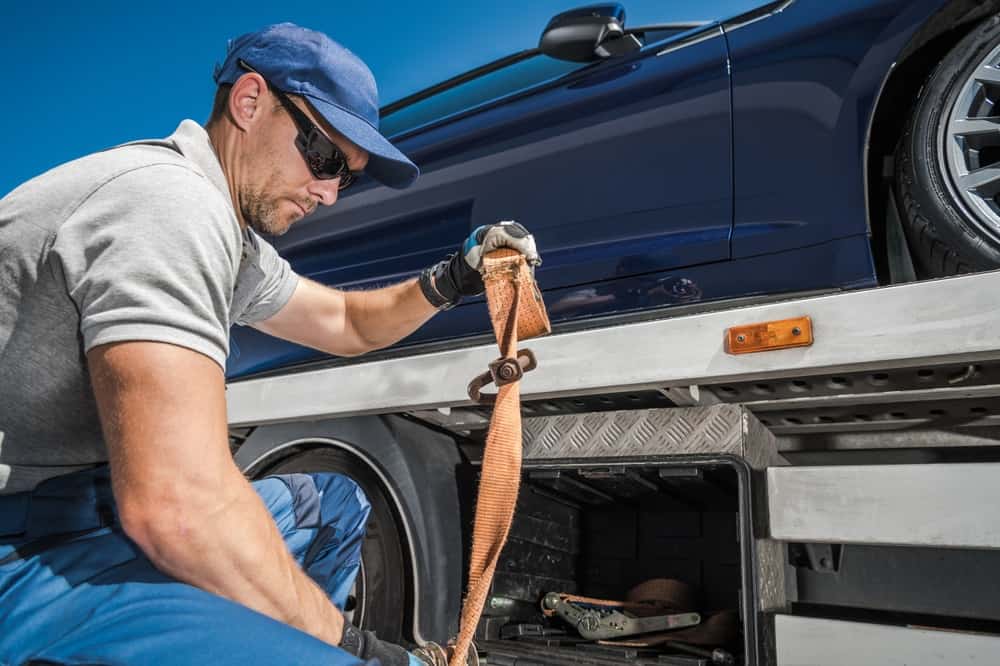
None of this requires a trip to a shop if you don’t want to make one. We serve all of Maricopa County — from Glendale out to East Mesa and everywhere in between — and we’re available 24 hours a day, seven days a week. If you find something during your fall check that needs attention, or if the car decides to make the decision for you, we can come to you.
Fall Car Maintenance in Maricopa County: What Actually Matters
The honest takeaway here is that Phoenix drivers face a maintenance window that most national guides completely ignore. Summer doesn’t announce the damage it causes — it just quietly shortens battery life, wears down tires, and stresses every rubber component under the hood. Fall is when that bill comes due.
A battery load test, a manual tire pressure check, and a look at your wipers, filters, and hoses takes less than an hour and can realistically prevent a breakdown during the busiest travel months of the year. Service calls start at $65, and if something does go wrong, our response times are consistently under 30 minutes anywhere in Maricopa County.
If you’d rather not wait until something breaks, or if something already has, On Time Emergency Roadside And Battery Service LLC is available around the clock to help — no appointment necessary.